
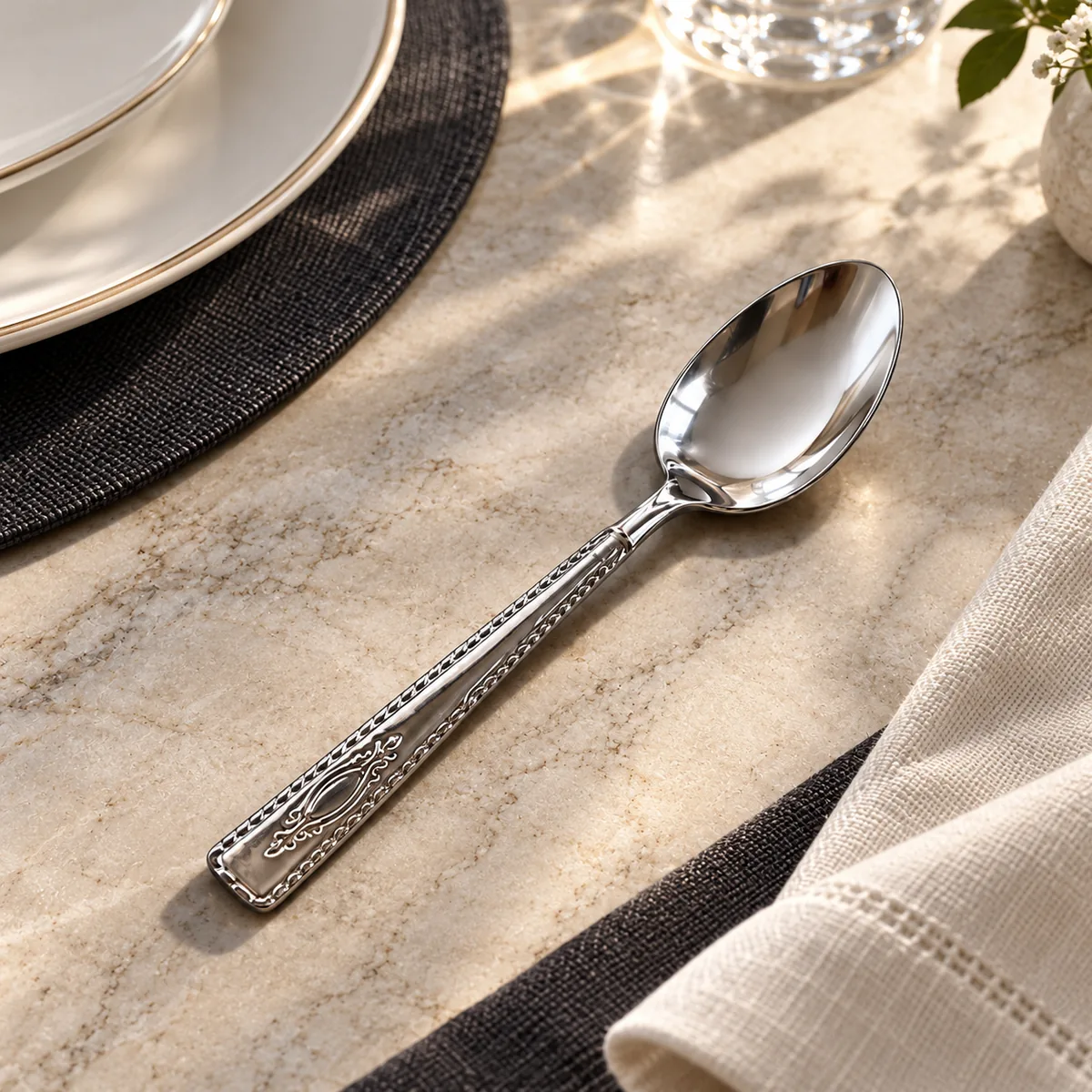
Quick answer: For markings that fade, polish out or trap soil during service, match marking method, depth, location and finish to the cleaning environment. Approve the result with new-versus-cycled samples, macro legibility images and agreed wash protocol.
Start with the use case
A useful defect report separates observation from assumed cause. Record where the issue appears, how many pieces are affected, when it was first seen and what happened before discovery.
Here, the scope is markings that fade, polish out or trap soil during service. The commercial decision is to match marking method, depth, location and finish to the cleaning environment. That wording is more useful than a broad request for “high quality” because it tells the project team what must be compared and what can remain flexible.
Compare the options
Contain the affected stock, preserve representative pieces and compare them with an unused control. Correct diagnosis prevents unnecessary replacement and gives the supplier evidence for root-cause work.
For this project, assemble new-versus-cycled samples, macro legibility images and agreed wash protocol. Review those records against the intended users—quality inspectors and commercial operators—and keep the conclusion attached to the same product identity.
Specification worksheet
| Field | What to record | Why it matters |
|---|---|---|
| Use case | quality inspectors and commercial operators | Keeps the decision tied to a real buyer or operator. |
| Subject | markings that fade, polish out or trap soil during service | Prevents a broad category name from replacing the specification. |
| Decision | match marking method, depth, location and finish to the cleaning environment | Creates a comparison point for samples and quotes. |
| Evidence | new-versus-cycled samples, macro legibility images and agreed wash protocol | Gives both parties a traceable approval record. |
Observe the operator, not only the product
Ask the person who sorts, wraps, washes, serves, packs or receives markings that fade, polish out or trap soil during service to demonstrate the normal sequence. Note hand changes, awkward reaches, extra wipes, misidentification and points where pieces touch hard surfaces.
Convert the observation into a requirement only when it affects the intended result. Then match marking method, depth, location and finish to the cleaning environment and verify through new-versus-cycled samples, macro legibility images and agreed wash protocol. This prevents a design meeting from optimizing a static photograph while creating work elsewhere.
Repeat the observation during a busy period or with a realistic batch, because isolated handling can hide cumulative delays.
Approve with evidence
The project should stop and clarify the brief if the team is placing a shallow logo on a high-abrasion contact zone and expecting permanent contrast. Name that failure explicitly in the review notes and show how the chosen evidence distinguishes an acceptable result from one needing correction.
Before the purchase order
Send the exact reference, quantity, destination and target timing. State that the decision is to match marking method, depth, location and finish to the cleaning environment and that new-versus-cycled samples, macro legibility images and agreed wash protocol will be used for approval. Ask the supplier to list any assumption affecting construction, finish, packing or quotation scope.
Turn this guide into a supplier brief
Share the use case and evidence required for approval. Tongxing can prepare a project-specific sample and quotation discussion.
Buyer questions about markings that fade, polish out or trap soil during service
What is the first decision for markings that fade, polish out or trap soil during service?
Start with the operating use, then match marking method, depth, location and finish to the cleaning environment. Record the decision in the RFQ and link it to the exact sample or drawing revision.
What evidence should a buyer request for markings that fade, polish out or trap soil during service?
Use new-versus-cycled samples, macro legibility images and agreed wash protocol. Evidence should identify the product code, revision, date and affected batch or sample.
What common mistake should buyers avoid?
Avoid placing a shallow logo on a high-abrasion contact zone and expecting permanent contrast. Keep observations separate from assumptions and confirm the final result on an approved physical sample.
Continue the sourcing research
- Continue with Flatware Polishing Defects →
- Continue with Flatware Defect Photo Reporting →
- Compare 18/10 and 18/0 stainless flatware →
Specification boundary: Final material, dimensions, finish, performance, packaging, compliance and quantity terms must be confirmed in the signed project specification and approved physical sample.