
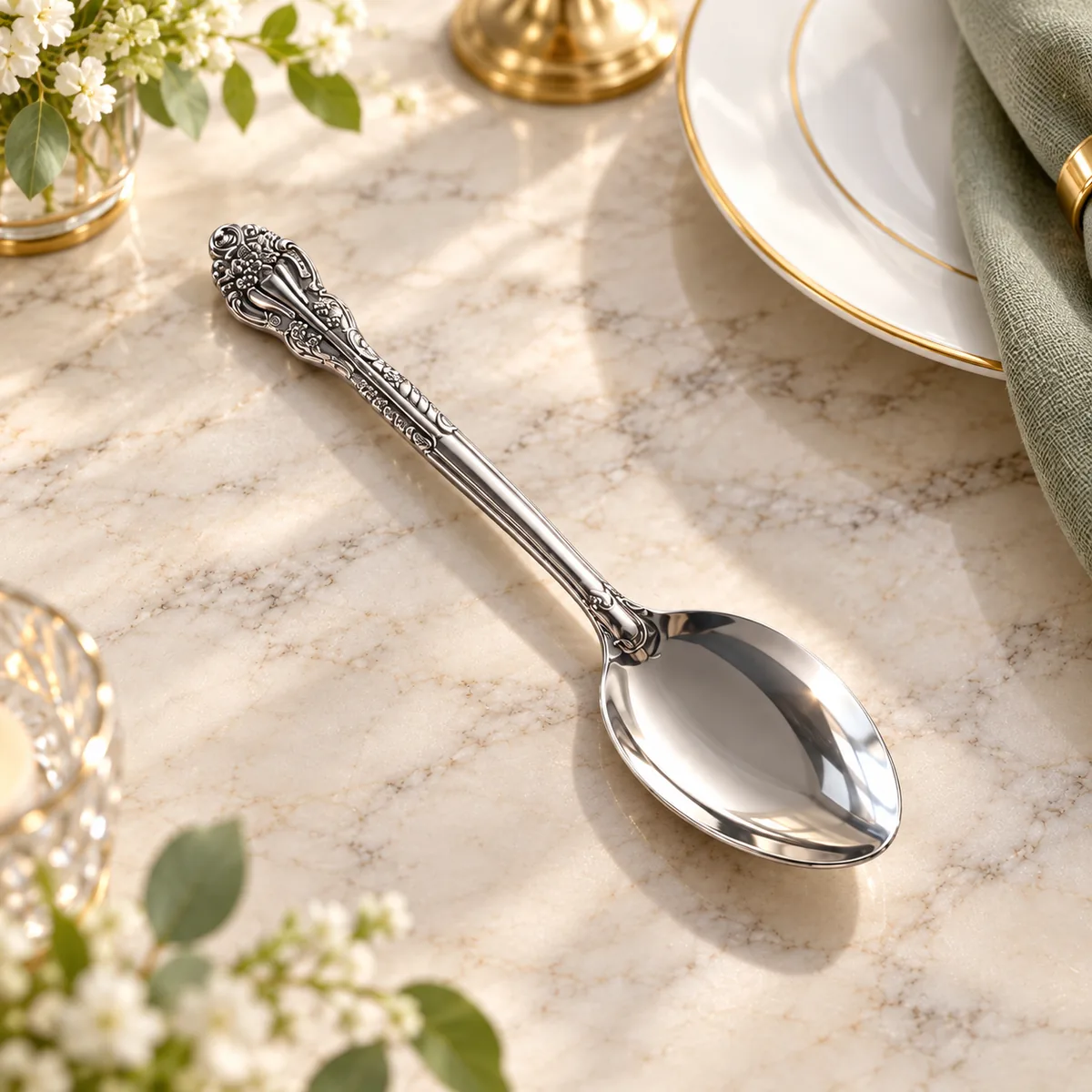
Quick answer: Polishing review should distinguish scratches, pits, waves, burn marks, uneven gloss and residue. Use consistent light, viewing distance and agreed limit samples.
Use-case review
Polishing review should distinguish scratches, pits, waves, burn marks, uneven gloss and residue. Use consistent light, viewing distance and agreed limit samples.
The correct flatware polishing defects choice depends on the operating environment. Map the people, product touchpoints and failure consequences. Then rank controlled reference, inspection method and corrective-action record as high, medium or low priority.
Questions for the supplier
- How is measurable requirement controlled?
- Which record demonstrates approved golden sample?
- Where can normal variation appear?
- How is sampling plan verified before shipment?
- Which reference will be used for the next order?
Run a practical trial
Use the proposed product in the actual table, service, wash, storage or distribution process. Record what happened rather than whether a reviewer simply “liked” it. Include the whole item, close details and a scale in photos. Link every observation to the sample code.
Acceptance note
The approval note should name dimension and weight record, the decision owner and any allowed variation. If a change is made later, issue a new revision instead of modifying the old record informally.
Commercial brief
For pricing, provide critical dimensions and functions, appearance criteria, inspection level or sampling expectation, required records and disposition and corrective-action process. This reduces the risk created by using subjective words without limits.
Turn this guide into a supplier brief
Send the product code, quantity, destination and the decision factors that matter most. Tongxing can use them to prepare a sample and quotation discussion.
Common Flatware Polishing Defects: buyer questions
What should buyers confirm first about flatware polishing defects?
Start with sampling plan, then connect it to corrective-action record. The specification should name the operating context and the evidence required for approval.
Can a buyer approve flatware polishing defects from photos alone?
Photos help with direction, but commercial approval should use inspection report with traceable photos plus the applicable dimensions, finish, packaging and project documents.
What information helps a supplier quote flatware polishing defects?
Send critical dimensions and functions, appearance criteria, inspection level or sampling expectation, required records, and disposition and corrective-action process. A complete brief reduces assumptions and makes supplier responses easier to compare.
Continue the sourcing research
Use the sample approval checklist →
- How to Check Flatware Handle Alignment
- AQL Questions for Flatware Inspections
- 18/10 vs 18/0 flatware for hotels and restaurants
Specification boundary: Final material, dimensions, finish, performance, packaging, compliance and quantity terms must be confirmed in the signed project specification and approved physical sample.