
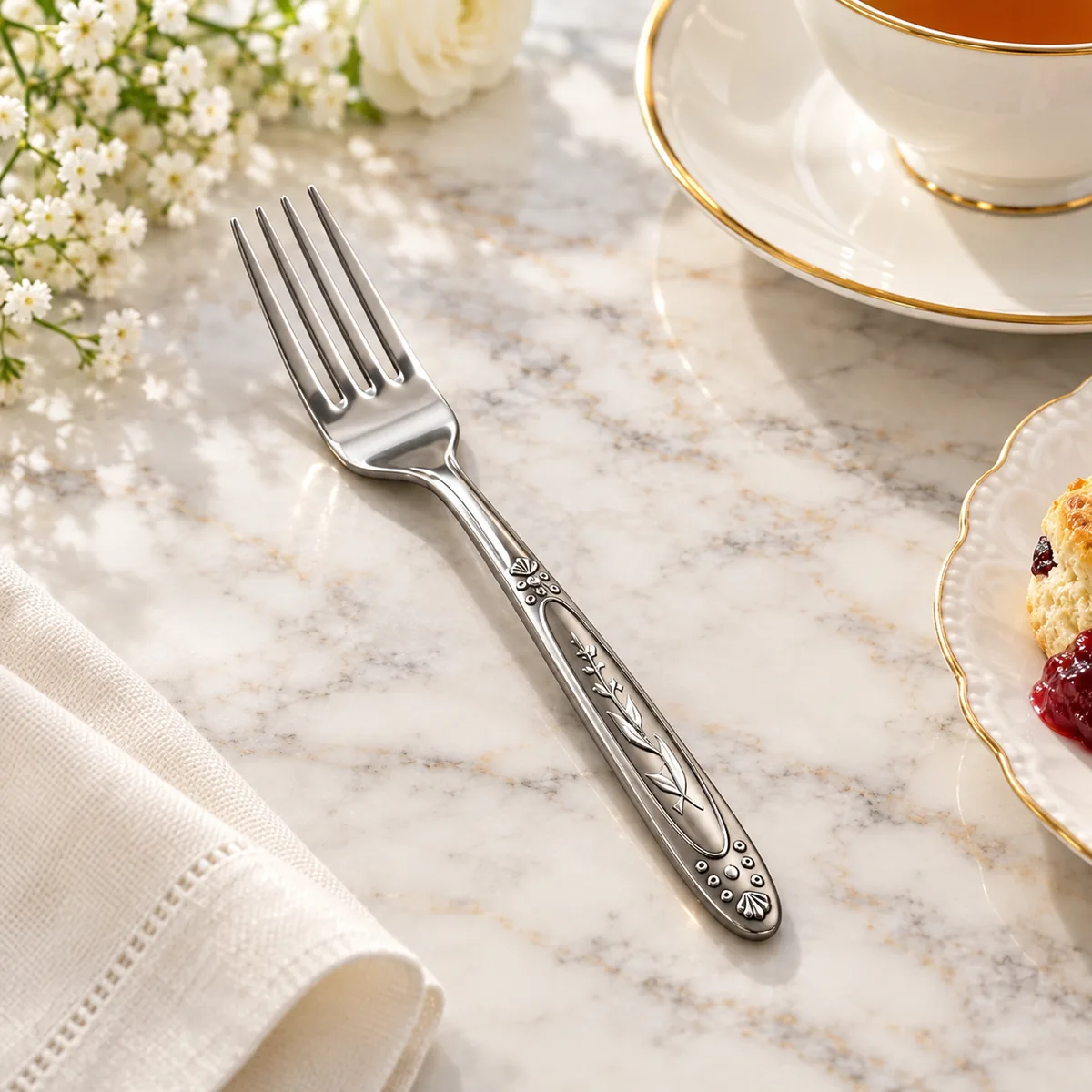
Quick answer: Vintage cues can come from outline, relief and finish while modernizing weight, edges and cleaning. Separate decorative inspiration from features that affect daily use.
Plan backward from approval
Vintage cues can come from outline, relief and finish while modernizing weight, edges and cleaning. Separate decorative inspiration from features that affect daily use.
For vintage flatware style, start with the date and evidence required for a confident release. Work backward through review, sample preparation, specification alignment and quotation. This exposes missing inputs while changes are still inexpensive.
Five control points
- Brief: define brand language.
- Proposal: compare tableware pairing.
- Sample: verify table setting mock-up.
- Record: retain multi-piece family review.
- Repeat order: confirm long-term replacement.
What to record after review
Use a dated approval sheet with product code, reviewer, revision and photographs. Mark open items separately from accepted features. If the proposed direction changes piece scalability, obtain a new commercial and technical confirmation.
What can go wrong
Following a trend that conflicts with the brand can create a product that looks approved but cannot be repeated reliably. Selecting from a close-up without table context creates a second source of ambiguity. Resolve both in the controlled project file.
RFQ starter
Send brand and market position, preferred handle family, required pieces, tableware reference and finish, logo and packaging direction. Ask for exclusions, alternatives and the evidence available at each milestone.
Turn this guide into a supplier brief
Send the product code, quantity, destination and the decision factors that matter most. Tongxing can use them to prepare a sample and quotation discussion.
Vintage Flatware Style Without Losing Usability: buyer questions
What should buyers confirm first about vintage flatware style?
Start with brand language, then connect it to tableware pairing. The specification should name the operating context and the evidence required for approval.
Can a buyer approve vintage flatware style from photos alone?
Photos help with direction, but commercial approval should use full-size handle sample plus the applicable dimensions, finish, packaging and project documents.
What information helps a supplier quote vintage flatware style?
Send brand and market position, preferred handle family, required pieces, tableware reference, and finish, logo and packaging direction. A complete brief reduces assumptions and makes supplier responses easier to compare.
Continue the sourcing research
- How to Match Flatware With Plates and Glassware
- How to Build a Commercial Flatware Set
- 18/10 vs 18/0 flatware for hotels and restaurants
Specification boundary: Final material, dimensions, finish, performance, packaging, compliance and quantity terms must be confirmed in the signed project specification and approved physical sample.