
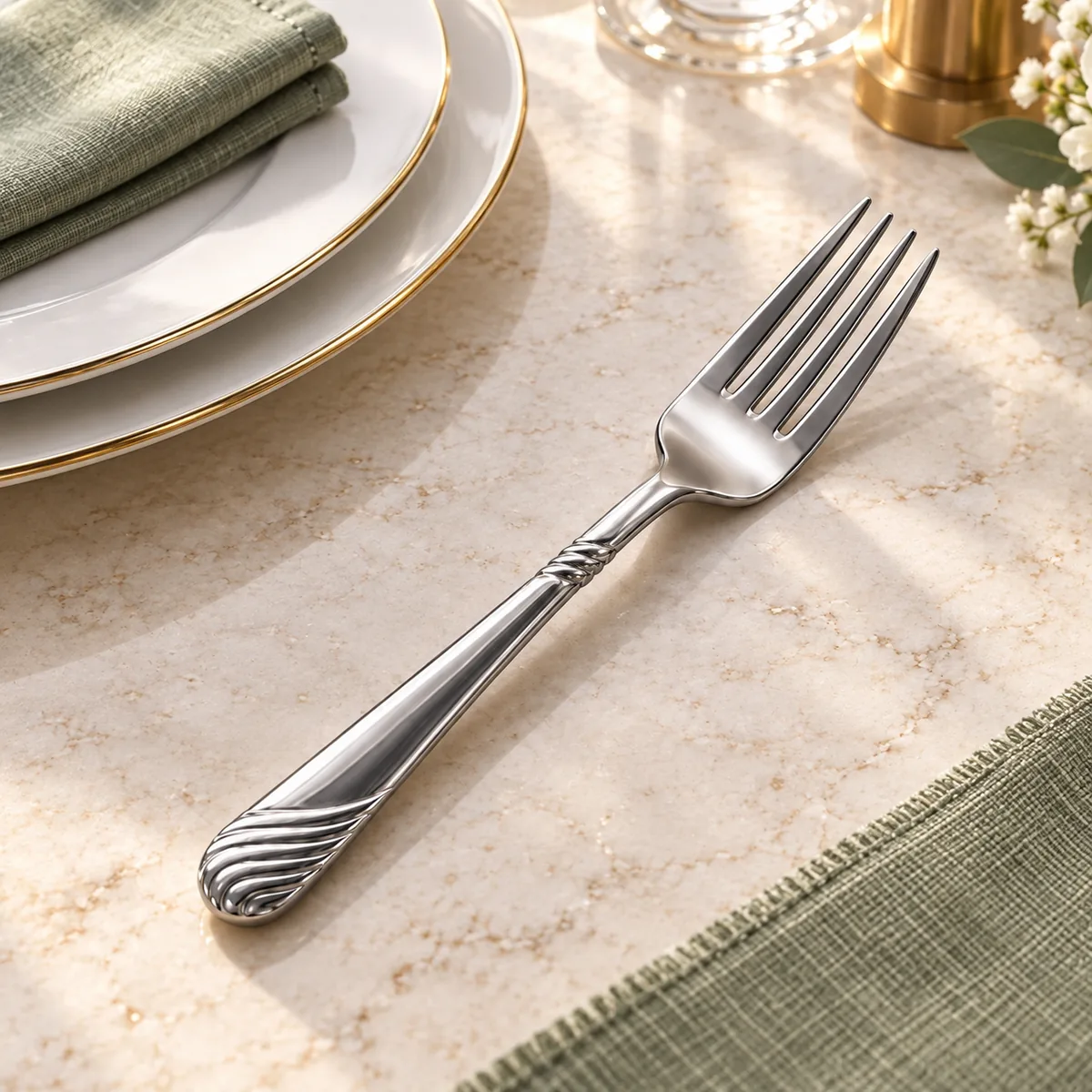
Quick answer: For darkened recesses and highlighted relief used to create an aged appearance, approve recess density, wipe pattern, high-point brightness and cleaning result. Approve the result with front-and-back limit samples, rub test, white-cloth check and packed-sample opening.
Define the requirement
Finish approvals fail when a color or texture is described with a name but not a viewing method. Substrate preparation, geometry, lighting and handling can all change the appearance of the same nominal finish.
Here, the scope is darkened recesses and highlighted relief used to create an aged appearance. The commercial decision is to approve recess density, wipe pattern, high-point brightness and cleaning result. That wording is more useful than a broad request for “high quality” because it tells the project team what must be compared and what can remain flexible.
Run the review
Use physical limit samples and zone-specific requirements. Digital images help communicate direction, but they cannot replace a signed sample viewed under agreed lighting.
For this project, assemble front-and-back limit samples, rub test, white-cloth check and packed-sample opening. Review those records against the intended users—designers, brand managers and sourcing teams—and keep the conclusion attached to the same product identity.
Specification worksheet
| Field | What to record | Why it matters |
|---|---|---|
| Use case | designers, brand managers and sourcing teams | Keeps the decision tied to a real buyer or operator. |
| Subject | darkened recesses and highlighted relief used to create an aged appearance | Prevents a broad category name from replacing the specification. |
| Decision | approve recess density, wipe pattern, high-point brightness and cleaning result | Creates a comparison point for samples and quotes. |
| Evidence | front-and-back limit samples, rub test, white-cloth check and packed-sample opening | Gives both parties a traceable approval record. |
Add the issue to a simple risk register
For darkened recesses and highlighted relief used to create an aged appearance, describe the unwanted event, likely trigger, buyer impact, detection point and owner. Rank it with the project team rather than copying a generic severity table. The most useful control is the earliest practical one.
The known concern here is accepting attractive contrast before confirming that loose residue and staining are controlled. Preventive wording belongs in the drawing, sample brief or process requirement; detection wording belongs in the inspection plan; containment wording belongs in the shipment and claims procedure.
Close the line only after front-and-back limit samples, rub test, white-cloth check and packed-sample opening shows that the agreed action works. A completed task is not the same as an effective control.
Control the failure mode
The project should stop and clarify the brief if the team is accepting attractive contrast before confirming that loose residue and staining are controlled. Name that failure explicitly in the review notes and show how the chosen evidence distinguishes an acceptable result from one needing correction.
Send a clearer brief
Send the exact reference, quantity, destination and target timing. State that the decision is to approve recess density, wipe pattern, high-point brightness and cleaning result and that front-and-back limit samples, rub test, white-cloth check and packed-sample opening will be used for approval. Ask the supplier to list any assumption affecting construction, finish, packing or quotation scope.
Turn this guide into a supplier brief
Share the use case and evidence required for approval. Tongxing can prepare a project-specific sample and quotation discussion.
Buyer questions about darkened recesses and highlighted relief used to create an aged appearance
What is the first decision for darkened recesses and highlighted relief used to create an aged appearance?
Start with the operating use, then approve recess density, wipe pattern, high-point brightness and cleaning result. Record the decision in the RFQ and link it to the exact sample or drawing revision.
What evidence should a buyer request for darkened recesses and highlighted relief used to create an aged appearance?
Use front-and-back limit samples, rub test, white-cloth check and packed-sample opening. Evidence should identify the product code, revision, date and affected batch or sample.
What common mistake should buyers avoid?
Avoid accepting attractive contrast before confirming that loose residue and staining are controlled. Keep observations separate from assumptions and confirm the final result on an approved physical sample.
Continue the sourcing research
- Continue with Mirror Vs Satin Flatware Finish →
- Continue with Pvd Colored Flatware Buying Questions →
- Compare 18/10 and 18/0 stainless flatware →
Specification boundary: Final material, dimensions, finish, performance, packaging, compliance and quantity terms must be confirmed in the signed project specification and approved physical sample.